Look for visible moisture, staining and changes since the last documented condition; record exactly what you can observe.
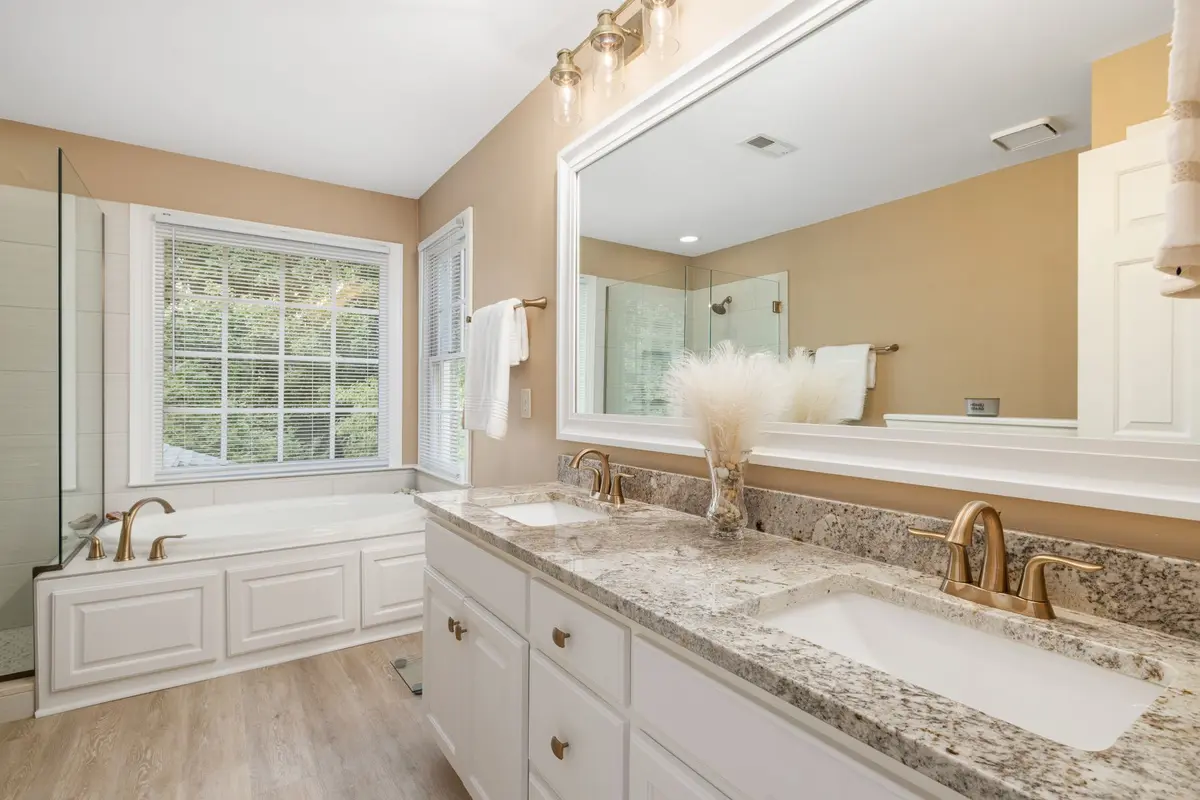
Use location-specific notes
With lawful access and without disturbing resident belongings unnecessarily, identify the cabinet and visible area affected. Note whether moisture is active or only an old stain is visible. Refer uncertain plumbing or material conditions to the appropriate professional.
EPA emphasizes correcting water leaks as part of moisture control. [1]
“Dry stain on cabinet base, rear right; photo dated today; prior record unavailable” is more reliable than “old leak, fixed.” Avoid declaring the cabinet dry inside or mold-free based only on its surface appearance.
Sources
This article was generated by AI using the sources below. Editorial standards.
- A Brief Guide to Mold, Moisture and Your Home — EPASupports the attributed passage: EPA emphasizes correcting water leaks as part of moisture control. The practical workflow and labeled examples are the publication’s own applications, not source-reported cases. Source checked Sep 8, 2026.
Have a correction? See our editorial policy and correction process.