Record room, time, reading and conditions consistently. A few readings can guide a professional assessment but do not explain the cause by themselves.
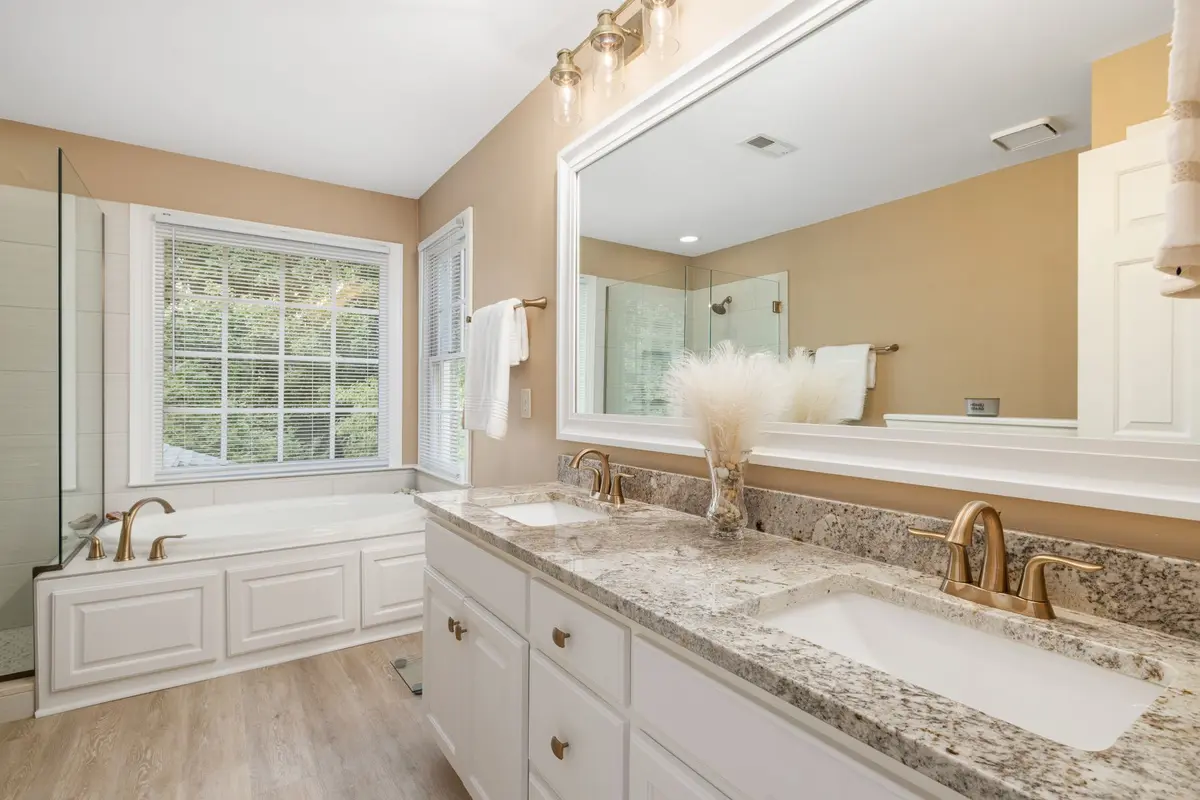
Make readings comparable
Use the same device and location when practical, noting ventilation or weather changes. Keep resident observations alongside readings instead of replacing them. Ask a qualified professional about persistent moisture or building-system concerns.
EPA recommends indoor humidity below 60 percent, ideally 30–50 percent when possible. [1]
A high bathroom reading just after a shower is different from a persistent high reading in an unused room. Do not turn either observation into an unsupported accusation about housekeeping or a claim that the building is safe.
Sources
This article was generated by AI using the sources below. Editorial standards.
- A Brief Guide to Mold, Moisture and Your Home — EPASupports the attributed passage: EPA recommends indoor humidity below 60 percent, ideally 30–50 percent when possible. The practical workflow and labeled examples are the publication’s own applications, not source-reported cases. Source checked Sep 8, 2026.
Have a correction? See our editorial policy and correction process.