Inventory the actual faucets first. Confirm fitting compatibility and the intended use of each fixture.
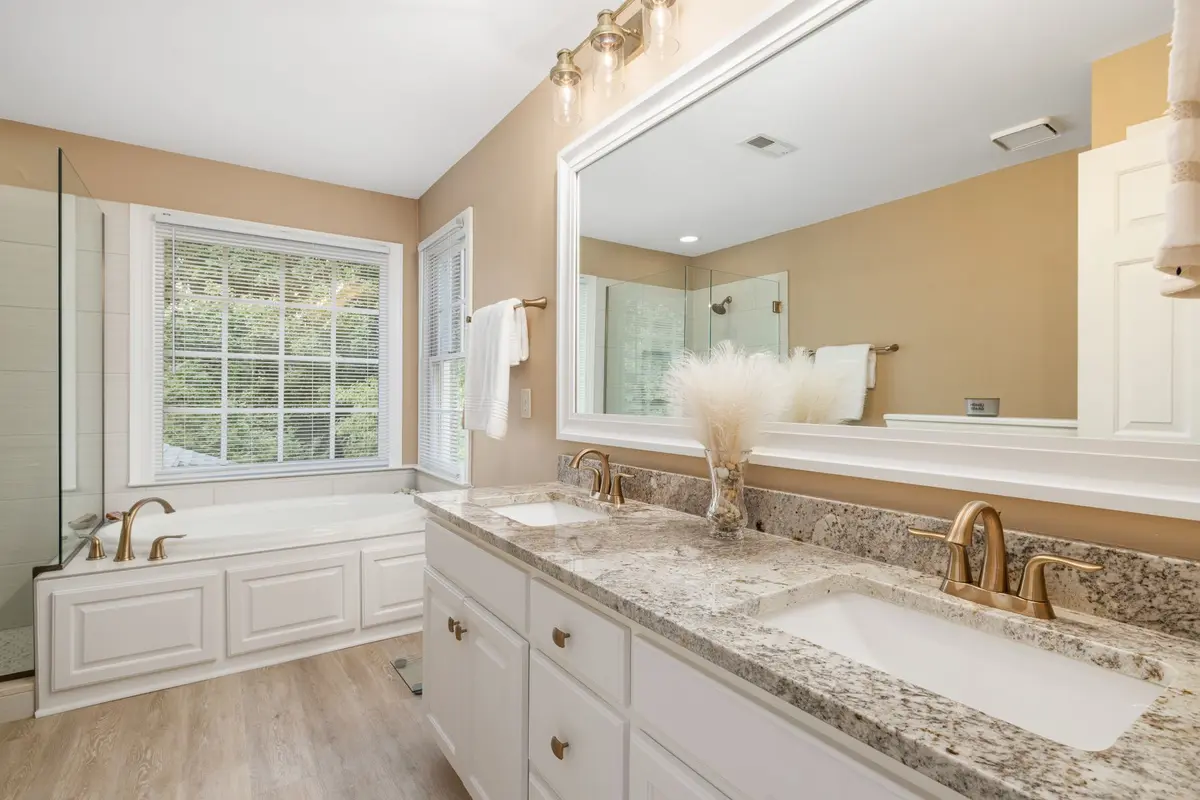
Avoid the one-size order
Ask the supplier or installer to match the existing faucet model and threads. Separate private bathroom sinks from kitchen or common-area fixtures. Keep one verified specification per fixture group so later replacements do not depend on guesswork.
EPA’s WaterSense faucet criteria cover specified faucet types, not every kitchen or public-lavatory faucet. [1]
Try a correctly matched replacement through your normal authorized maintenance process before buying a portfolio-wide quantity. Record the installed part number and any performance issue. Efficiency labeling does not resolve compatibility or local plumbing requirements.
Sources
This article was generated by AI using the sources below. Editorial standards.
- Bathroom Faucets — EPA WaterSenseSupports the attributed passage: EPA’s WaterSense faucet criteria cover specified faucet types, not every kitchen or public-lavatory faucet. The practical workflow and labeled examples are the publication’s own applications, not source-reported cases. Source checked Sep 8, 2026.
Have a correction? See our editorial policy and correction process.