Start one time-stamped incident record, then ask the question that changes the next step: is the property in Phoenix, and does it use air conditioning or evaporative cooling? Arizona law requires landlords to maintain supplied or required air-conditioning facilities and, with stated exceptions, provide reasonable cooling where installed and offered. Phoenix adds measurable limits: no more than 82°F with air conditioning or 86°F with evaporative cooling, measured three feet above the floor in the center of the room. [1] [2]
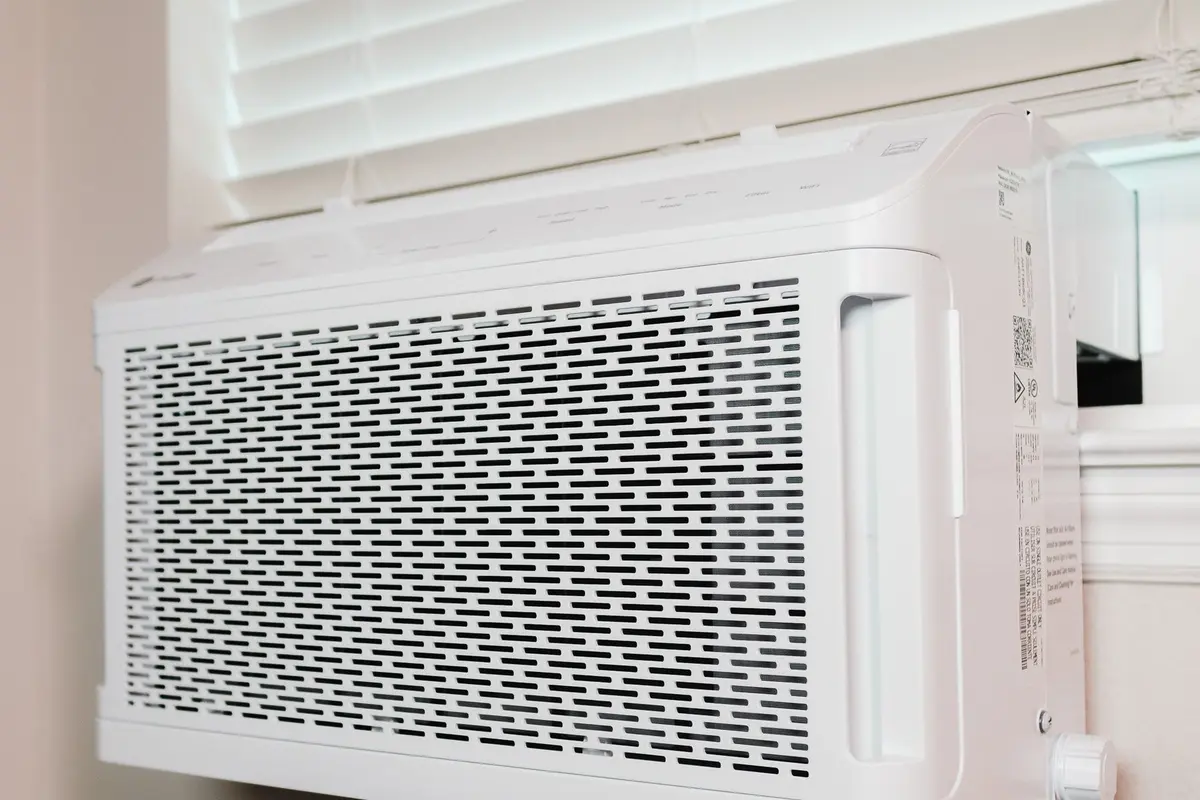
First identify the system and the city
Arizona Revised Statutes § 33-1324 requires a landlord to keep supplied or required air-conditioning facilities in good and safe working order. The same section requires reasonable air-conditioning or cooling where units are installed and offered when seasonal weather requires it, subject to the exceptions stated in the law. [1]
The statewide section does not supply the Phoenix temperature test. Phoenix City Code § 39-5 requires installed cooling systems in rental housing to be operational, hazard-free, and in good repair. It sets different maximum indoor temperatures for air conditioning and evaporative cooling. [2]
Record the property jurisdiction before applying a number. A Phoenix rule should not be presented as the statewide threshold, and another Arizona city may have its own code and reporting process.
Build the cooling-service report around six facts
| Field | What to record |
|---|---|
| Property and rule | Exact address, city, unit, and the official source checked |
| Cooling system | Air conditioning or evaporative cooling; equipment location and identifier |
| First report | When the resident reported the problem, symptoms described, and the safe contact path used |
| Temperature check | Reading, date and time, room, instrument, and measurement position |
| Repair path | Assigned person, vendor acceptance, access status, appointment, and next update time |
| Closeout | Technician findings, work performed, post-service operation check, and any unresolved item |
Do not reduce the record to “AC broken” or “vendor called.” Those phrases leave out the system type, observed condition, accepted appointment, and next owner. Keep resident-provided readings labeled as resident-provided; a useful intake record does not need to pretend it is a technician’s diagnosis.
For Phoenix, record the measurement the code describes
Phoenix sets a maximum of 82°F for rental housing cooled by air conditioning and 86°F for housing cooled by evaporative cooling. The code says to measure three feet above the floor in the center of the room and requires permanently installed cooling facilities. [2]
A thermostat photo can add context, but it does not document the code’s stated measurement position by itself. If a safe reading is available, save the value with the room, time, instrument, and placement. Do not ask a resident to open equipment, climb, enter a hazardous area, or delay emergency help to complete the record.
Illustrative Phoenix report
Illustrative scenario: a Phoenix apartment with central air conditioning is reported warm at 2:10 p.m. The resident safely records 84°F at 2:22 p.m., three feet above the floor near the center of the living room, using a digital room thermometer. The system is running but the air from the supply vent feels warm. The landlord acknowledges the report at 2:28 p.m.; the HVAC company accepts a 4–6 p.m. visit at 2:41 p.m.; the next resident update is due by 4 p.m. These facts are fictional and the reading is not a diagnosis.
The useful part is the sequence: report, observable condition, safe measurement, acknowledged response, accepted service window, and next checkpoint. If the vendor cannot attend, the record should show the new action and communication rather than leaving the ticket marked vaguely “in progress.”
Close the repair only after recording the outcome
- Save the technician’s diagnosis separately from the resident’s initial description.
- Record what was repaired, what was tested, and whether another part or visit is pending.
- Add a post-service operating note or safe follow-up reading when appropriate.
- Keep invoices, photos, messages, and access notes linked to the same incident.
- Escalate any continuing unsafe condition instead of closing the record because an invoice arrived.
A complete report is not a substitute for prompt action or legal advice. It makes the next action visible and preserves the facts needed to check the applicable Arizona and local requirements.
Sources
- 33-1324 — Landlord to maintain fit premises — Arizona State LegislatureSource checked Sep 14, 2026.
- Section 39-5 — Electrical, plumbing, and mechanical systems; health and safety conditions — Phoenix City CodeSource checked Sep 14, 2026.
Have a correction? See our editorial policy and correction process.